

Imagine this: It’s a busy weekday evening. The house is filled with the sounds of bustling routines—kids rushing through homework, parents managing work calls, and the constant hum of daily life. Amidst the chaos, you gather around the dinner table, share a meal, and exchange stories about your day. The world outside feels a little quieter in that moment, as your family connects over something as simple as food, laughter, and shared presence.
What are Family Rituals?
Family rituals refer to recurring, meaningful activities that help shape the identity and cohesion of a family unit. They go beyond daily chores and tasks and carry an emotional or spiritual significance. They include family celebrations (weddings, holidays), traditions (birthdays, vacations, special ceremonies), and patterned routines (dinnertime, bedtime routines, prayer times, weekly activities). These rituals help foster a sense of belonging, continuity, and shared meaning among family members.
So one may ask how can something as small as a daily ritual have a big impact? Both research and islamic teachings emphasize the value of consistent, intentional family interactions no matter how small. Whether it’s a shared prayer, a regular meal, or a bedtime story, these small, repeated actions can lay the foundation for strong, lasting relationships and contribute to the emotional fabric of the family unit.

The Psychological, Health and Emotional Benefits of Family Rituals:
1. Stronger Emotional Connections – These regular practices create a sense of stability, belonging, and shared identity. Consistent family rituals encourage open communication, mutual support, and emotional bonding, which can lead to healthier, more resilient family relationships. Even for young adults these family rituals can provide a source of emotional and social support as it creates consistent touch points for connection. Be it a weekly dinner or regular phone calls or shared holiday traditions; they provide a safety net of familiarity and support.
2. Provides a sense of belonging and Identity– The small rituals you share as a family are moments of shared experience—they bring everyone together and create lasting memories. In a world filled with distractions, intentional rituals provide families with the opportunity to connect on a deeper level. For example, something as simple as eating dinner together without phones or distractions offers a chance for each family member to share their day, connect emotionally, and bond over a shared meal.
3. A Sense of Security – Family rituals provide a sense of security for everyone involved. For children, particularly, these small routines offer consistency and predictability in an often unpredictable world. The sense of emotional safety that comes from knowing there is a regular time for prayer, a family meal, or a bedtime chat is invaluable. Children and adults alike benefit from the structure and sense of security provided by these rituals, which can mitigate anxiety and improve coping skills.
4. A Source of Resilience – Young adults who maintain strong connections to their families through family rituals tend to report lower levels of anxiety and depression. Family rituals and routines may act as a buffer from life’s challenges and make young adults more resilient in facing life’s uncertainties. Family rituals can also serve as sources of resilience during tough times. When families face stress—whether due to illness, financial strain, or interpersonal conflicts—having regular, comforting rituals to rely on can help ease anxiety and restore a sense of balance.
5. Healthier Lifestyle Choices – Family routines, such as eating meals together or engaging in physical activities, can also lead to healthier lifestyle choices. Shared family meals encourage better nutrition, while regular physical activities like walking or playing together improve physical health and promote bonding. These health benefits are particularly important for children, as they model positive behaviours they can carry into adulthood.
6. Behavioural and Academic Outcomes – Children in families with consistent routines tend to perform better academically and exhibit fewer behavioural problems. Children who grow up in families with positive rituals tend to develop skills such as responsibility, perseverance, and strong work habits—qualities that contribute to future academic and career success. Adolescents who maintain strong family connections through rituals are less likely to engage in risky behaviours. They are more likely to experience positive outcomes in terms of mental health, relationships, and behaviour.
The Islamic Perspective on Family Rituals:
Islam views family life as the central foundation for nurturing spiritual, moral, and social development. Family rituals serve as a means of strengthening family ties, nurturing moral and spiritual growth, and maintaining a close connection to Islamic teachings. These rituals emphasize mutual respect, religious devotion, and a commitment to collective well-being.
Spiritual and Religious practices as Family Rituals:
Prayer (Ṣalāh) and Acts of Worship: In many Muslim households, prayer is a family affair, with parents guiding children in how to pray and encouraging them to join in the worship. Performing acts of worship together can serve as a powerful ritual for nurturing spiritual unity. For example, reciting Du’ā Kumayl on Thursday nights as a family. This not only brings blessings into the home but also reinforces shared values, love for God, and a sense of spiritual togetherness.
Celebrating Islamic Occasions: Celebrations of Islamic holidays like the many eids including: Eid al-Fitr, Eid al-Adha, and the holy month of Ramaḍān are also highlighted as important family rituals. These times are opportunities for families to gather, reflect together, offer gratitude, and renew their sense of purpose. The rituals of fasting during Ramaḍān, breaking the fast together, and performing special prayers create an atmosphere of collective devotion and solidarity. Other special occasions families usually celebrate include the Aqīqah ceremony, bāligha ceremony and others.
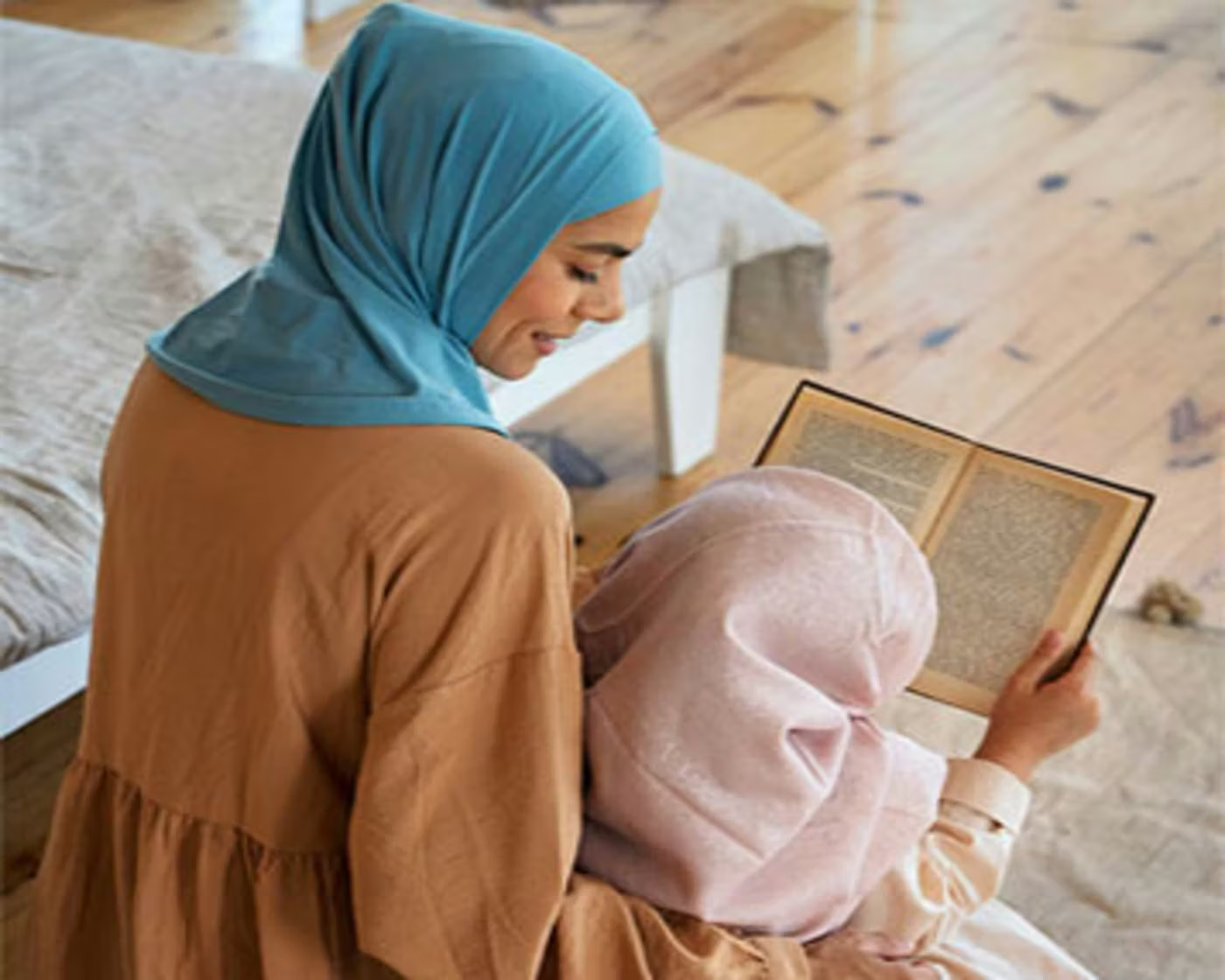
Educational Rituals: Rituals around sharing knowledge, whether it’s a Quranic study session or simply reading together as a family, fosters intellectual and spiritual growth in the family. These practices provide children with a sense of continuity and intellectual bonding with their parents. Storytelling about the lives of the Prophets, Imams, and righteous individuals in Islamic history, particularly the story of Imām Husayn (as) and the principles he stood for, instills values of compassion and standing up for what is right.
Family meals and rituals in islam are more than just a means of nourishment. They create an environment of compassion, gratitude and unity in the family. For example: before starting food saying Bismillah, ending with alhamdullilah, eating with the right hand and eating in moderation. Through these practices, families are able to reinforce values that not only enhance their spiritual lives but also foster a sense of community and mutual care.
Evening and Bedtime Rituals: Ending the day with peaceful, loving practices, such as reading Quranic verses or saying supplications (du’a) together. These bedtime rituals not only help children sleep peacefully but also reinforce the spiritual and emotional bonds between parents and children.


