

What is Intergenerational Trauma?
Intergenerational trauma is the transmission of trauma from one generation to the next, where the emotional, psychological, and physical effects of past hardships influence the behaviors, emotions, and mental health of future generations. While the original trauma may have been experienced by parents or grandparents, its impact can be felt in the way descendants perceive and react to the world around them. This cycle often continues without conscious awareness, as children unintentionally adopt the emotional responses, coping mechanisms, and behaviors modeled by their parents.

This trauma can take many forms, from inherited emotional responses like anxiety or depression to learned behaviors such as aggression, fear, or withdrawal. For example, a child raised in an environment marked by abuse or conflict may internalize those experiences, using similar coping strategies or acting out in ways that reflect what they saw and felt. Even when the original trauma is distant—such as the legacy of war, displacement, or loss—the emotional and psychological effects can ripple across generations.
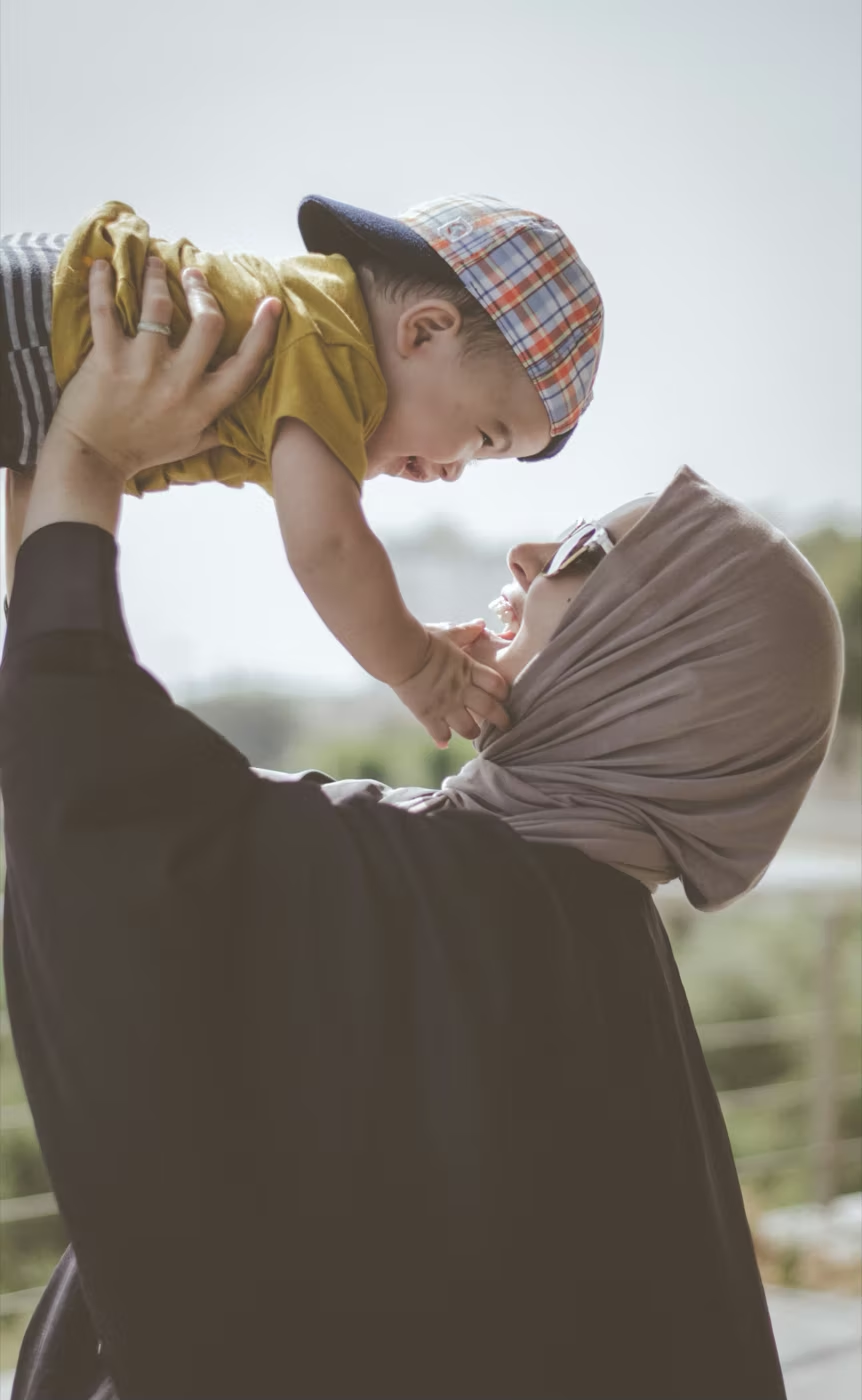
How Intergenerational Trauma Is Transmitted
One of the primary ways trauma is passed down is through the emotional environment created by the parents. Parents or caregivers who are dealing with unresolved trauma may unintentionally create an emotionally unsafe environment for their children. For example, if a parent has suffered from childhood abuse, they may have difficulties expressing love or maintaining emotional stability, which can affect their child’s ability to form secure attachments and manage their own emotions.
Behavioral patterns also play a crucial role in how trauma is transmitted. Children learn how to cope with stress, relationships, and adversity based on the models set by their caregivers. If a parent struggles with addiction or anger, the child may grow up believing that these are the primary ways to deal with pain or frustration. In this way, trauma becomes a cycle, with each generation carrying forward unhealed wounds and unbroken patterns.
Additionally, cultural or collective trauma can also contribute to the transmission of pain between generations. Families who have faced large-scale trauma, such as war, persecution, or displacement, may hold on to collective memories of suffering. These shared experiences become part of the family’s collective identity and can influence the emotional well-being of future generations, even if they did not directly experience the original trauma themselves. For example, children born to refugee families may grow up with a heightened sense of fear, insecurity, or anxiety, even if they have never lived through the specific events their parents endured.
The Islamic Perspective on Generational Influence
While the Qur’ān does not directly address intergenerational trauma, it provides valuable insight into the concept of generational influence, the importance of emotional and spiritual health, and the need for breaking cycles of harm.
In Islam, the family is the cornerstone of society, and parents are entrusted with the responsibility of raising their children in a nurturing, safe, and loving environment. However, when parents carry unresolved trauma, their ability to fulfill this role can be compromised. This can inadvertently affect their children, who may carry emotional wounds from their upbringing.
Islam acknowledges the interconnection between generations and the importance of the legacy we leave. The Qur’ān speaks about the impact of one’s actions on future generations. While each individual is responsible for their own deeds, the consequences of actions can affect the family. This is evident in the story of Prophet Ibrāhīm (AS) and his descendants. Despite the challenges he faced, Prophet Ibrāhīm’s legacy was one of faith, resilience, and trust in Allāh (SWT). His children, particularly Prophet Ismā’īl (AS), continued this legacy, with their actions and faith shaping generations to come.
The Qur’ān emphasizes the importance of modeling positive behaviors for future generations, such as kindness, justice, and patience. In Surah Luqmān, Allāh (SWT) provides guidance for parents on how to raise their children, urging them to teach their children the importance of faith and good character. However, when parents struggle with unhealed trauma, they may unintentionally pass on negative patterns to their children, making it harder for the next generation to find peace and stability.
While intergenerational trauma may seem like an inevitable cycle, Islam offers a path to healing. The act of recognizing the pain, seeking Allāh’s help, and working toward emotional and spiritual growth can be transformative. One of the most important tools in healing is forgiveness—forgiving oneself and others. The Qur’ān and Ḥadīth emphasize the power of forgiveness, both as a means of personal healing and as a way to break destructive cycles.
For instance, Allāh (SWT) says in Surah Al-Baqarah:
“And if you forgive and overlook and pardon, then indeed Allah is Forgiving and Merciful.” (2:263)
This call to forgiveness is not only about letting go of personal grievances but also about healing emotional wounds that may have been passed down. Forgiveness allows individuals to release the emotional burdens tied to past trauma, which is essential for both personal and familial healing. By letting go of the resentment that often accompanies trauma, individuals can begin to break the cycle and create healthier emotional environments for future generations.

Breaking the Cycle of Trauma
Breaking the cycle of intergenerational trauma requires intentional effort and a commitment to healing. Recognizing the impact of past pain is the first step. Families need to acknowledge the trauma and its effects on their emotional and psychological well-being. This is not always easy, as it often involves confronting painful memories, unspoken histories, and difficult emotions.
Once the trauma is acknowledged, the next step is to foster open and safe communication within the family. Talking about pain, hurt, and struggles is crucial in breaking the silence that often surrounds trauma. When family members can speak openly and honestly, they begin to understand each other’s pain and can support one another through healing.
Seeking help is another key step. While Islam encourages turning to Allah in times of distress, seeking professional help is also an important part of healing. Counseling, therapy, and support groups can provide tools for processing trauma, understanding its effects, and developing healthier coping mechanisms. Many mental health professionals today offer trauma-informed care that can help individuals and families understand the depth of intergenerational trauma and begin the healing process.
Islam also offers powerful practices for healing, such as regular prayer (salat), supplication (dua), and remembrance of Allah (dhikr). These practices provide spiritual grounding and help individuals process their emotions, find peace, and seek forgiveness. They also serve as a reminder that healing is not only a personal journey but a spiritual one as well.
Intergenerational trauma is a complex reality that affects many families. It often manifests in emotional distress, behavioral patterns, and chronic stress that can persist across generations. However, by recognizing its impact, fostering open communication, seeking support, and embracing the healing practices found in Islam, families can break the cycle of trauma. Islam teaches that through forgiveness, awareness, and seeking Allah’s guidance, individuals can heal from past wounds and create a healthier, more peaceful future for the next generation. Through intentional effort and faith, we can transform the legacy of pain into one of healing and growth.


