
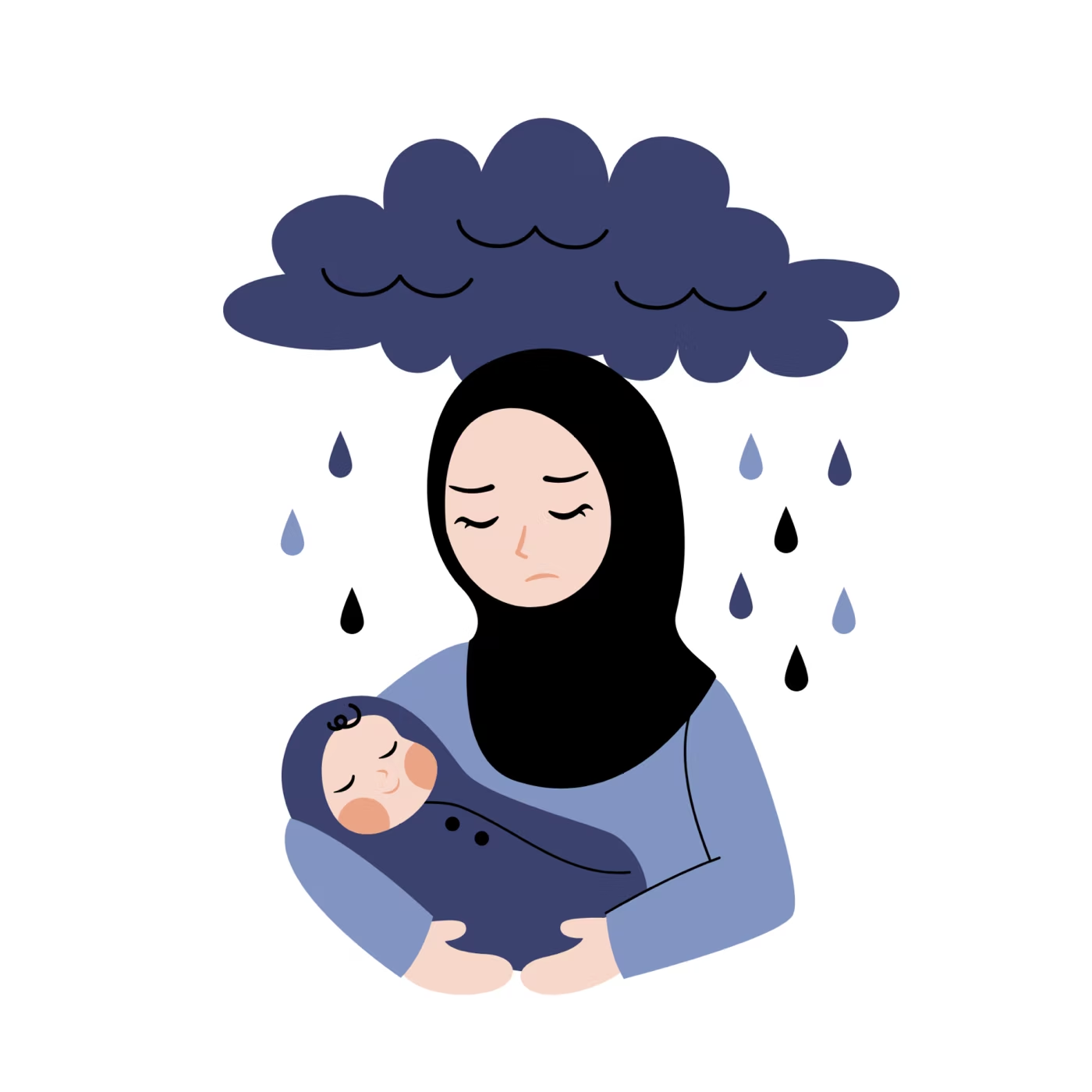
Postpartum depression (PPD) is a form of major depression with a major depressive episode beginning during pregnancy or within 4 weeks after the baby is born. PPD impacts a woman’s mental, physical, and emotional health. In addition, behavioral patterns are also negatively affected in PPD. Moreover, unlike “baby blues”, PPD can last for months.
How Do We Recognize the Symptoms?
PPD Symptoms:
- Low self-esteem: not feeling good enough after giving birth
- Lack of interest: apathetic towards the baby or own life after delivery
- Persistent sadness: constant low mood
- Anxiety: fear or worries about everything
- Self-blame: thinking everything is your fault
- Loss of appetite: lack of interest in food
- Sleep disturbances: lack of sleep after delivery
- Irritation and anger towards infant: changes in mood towards baby due to major changes in routine
- Unable to bond with the baby: feeling unconnected with the baby
- Episodes of crying: feeling overwhelmed and burned out, leading to crying episodes
How is PPD Diagnosed?
- Five depressive symptoms present for 2 weeks
- Depression or anhedonia:
-
- Feelings of worthlessness or guilt
- Depressed mood through the entire day
- Lack of interest or pleasure through the entire day
- Lack of energy or fatigue
- Lack of sleep
- Suicidal thoughts or attempts
The steps to getting a PPD diagnosis include:
- Explain concerning symptoms to the family doctor so he/she can refer you to a psychotherapist, psychologist, or psychiatrist.
- Going to a psychotherapist or a social worker who can assist in identifying symptoms. Recommendations for further steps will also be given.
- Directly going to a psychologist or psychiatrist for a formal test.
What are Some Risk Factors for PPD?
- Lack of social support (ex: being a new immigrant mom without family present to help support the mom after giving birth)
- Martial stress (ex: lack of support from the partner)
- History of depression or anxiety (ex: mom previously displayed low mood, worries, and fear)
- Age (ex, young mothers at higher risk)
- Traumatic events during birth (ex, umbilical cord prolapse, preterm)
- High-risk pregnancy (age, gestational diabetes)
- Smoking
- Domestic violence in a relationship (ex, the partner is emotionally, physically or verbally abusive)
Why Should PPD be Given Importance and Mothers be Screened After Delivery?
Studies show that PPD creates a negative environment for the mother and the baby, impacting the mother’s personal growth and the child’s development. Furthermore, research reveals that if mothers are left untreated, it is linked with weight issues, social relationship challenges, persistent depression, and breastfeeding problems. In addition, the safety of the mother and baby can also be compromised as thoughts of harm can be present with PPD.
As treating PPD is crucial for the mother’s well-being, it is also important for the baby’s development. For example, if PPD is not recognized and not treated, it can cause developmental challenges in the child, such as behavioral and emotional problems. Furthermore, the child can have problems with sleep food, a high risk of obesity, and impaired social skills. In addition, PPD can impair a mother’s ability to provide care to the newborn, damaging the caregiver and baby’s relationship. Moreover, mothers can also experience feelings of shame with PPD, and as they are aware that their symptoms can cause harm to their baby, reducing shame is an essential intervention in being able to help the mother move forward.
As we have learned that PPD impacts both the mother and the child, it is also crucial to acknowledge that if PPD is not treated or not given importance, one is neglecting the teachings from Rasūlullāh (ṣ) and the Ahlul Bayt.
As Imām Zaynul ʿĀbidīn (ʿa) described the immense right of a mother, especially the way she took care of the child: “The right of your mother is that you know that she carried you where no one carries anyone, she gave to you of the fruit of her heart that which no one gives to anyone, and she protected you with all her organs.” (Treatise of Rights by Imām Zaynul ʿĀbidīn (ʿa) Right # 22). Ensuring the mother’s health and overall well-being are cared for is essential.
A child’s well-being is also essential. Prophet Muḥammad (ṣ) stated that while explaining the child’s rights, he/she must be given a good name, taught good etiquette, and treated with utmost righteousness, care, and fairness in Rayshahri. (n.d.). Mizaan al-Hikmah (Vol. 4, p. 3679, Chapter 4211). Qum, Iran: Dar al-Hadith.
Treatment for PPD
- Psychotherapy: (discuss your symptoms, emotions, and thoughts with the therapist and establish goals for change).
- Cognitive behavioral therapy (CBT) (see below)
- Antidepressants (Medications given by a psychiatrist after a formal test, a psychotherapist can also be a referral)
- Support groups (people who share similar experiences and can share coping strategies. Psychotherapist can provide reference)
- Exercise (creating a realistic workout schedule, ex, walking, gym)
Cognitive Behavioural Therapy (CBT) for PPD
CBT is one of the methods used in psychotherapy where an individual can understand their symptoms in depth, such as their low mood, thinking patterns, and unhelpful behavioral patterns. CBT helps individuals identify their unhelpful thinking patterns, emotions, and behaviors. Furthermore, CBT can also assist individuals in recognizing their triggers to depression. Understanding negative thinking patterns will aid in changing them to positive ones, improving emotions and behavior. Furthermore, CBT techniques also include self-care, such as exercise, social activities, increasing self-esteem, and reducing self-critical thoughts.
An individual can reach out to their family doctor and get a referral to see a psychotherapist and then discuss with the therapist details of the way CBT can help with intervening PPD.