

Did you know that our physical and mental health are connected? Several research studies and clinical trials have shown evidence that our physical health directly impacts how we feel and function mentally. Physical health habits such as sleeping, diet, movement, and much more contribute to our mental well-being. Even through an Islamic lens, it is emphasized that the quality of food we ingest plays a significant role in our overall well-being and spirituality. Further indicating the connection between the mind, body, and soul.
Feeling anxious? Depressed? Low? Tired? Have you ever considered checking your diet/ eating habits? A lack of proper nutrition deprives us of essential nutrients that could impact the brain and hormone levels, thus contributing to symptoms of depression, such as low mood, fatigue, and frustration.
Nutrients, such as vitamin D and omega-3, have been linked to reducing symptoms of depression through supporting brain function and increasing serotonin levels in the brain, also known as the “feel-good chemical.” Eating a balanced diet consisting of proteins, complex carbohydrates, such as beans and whole grains, healthy fats, and fiber from fruits and vegetables allows us to ingest all the nutrients our minds and bodies need to function optimally.
Tips on Eating a Balanced Diet to Support Physical and Mental Health
Meal Prepping:
Try allocating some time during the weekend to restock on groceries and prepare ingredients, such as cutting vegetables and marinating proteins. This will help you continue eating balanced meals during the week when days get busy with work, school, and life.
Diversify your Palate:
Take a chance and try a new recipe, fruit, or vegetable you may have never tried before. Various colors and textures can make meals look more appealing and allow us to pack in more nutrients. So, challenge yourself once a month and try something new to entice your taste buds and push your brain out of its comfort zone. Doing so may lead to the release of dopamine, a chemical responsible for improved mood.

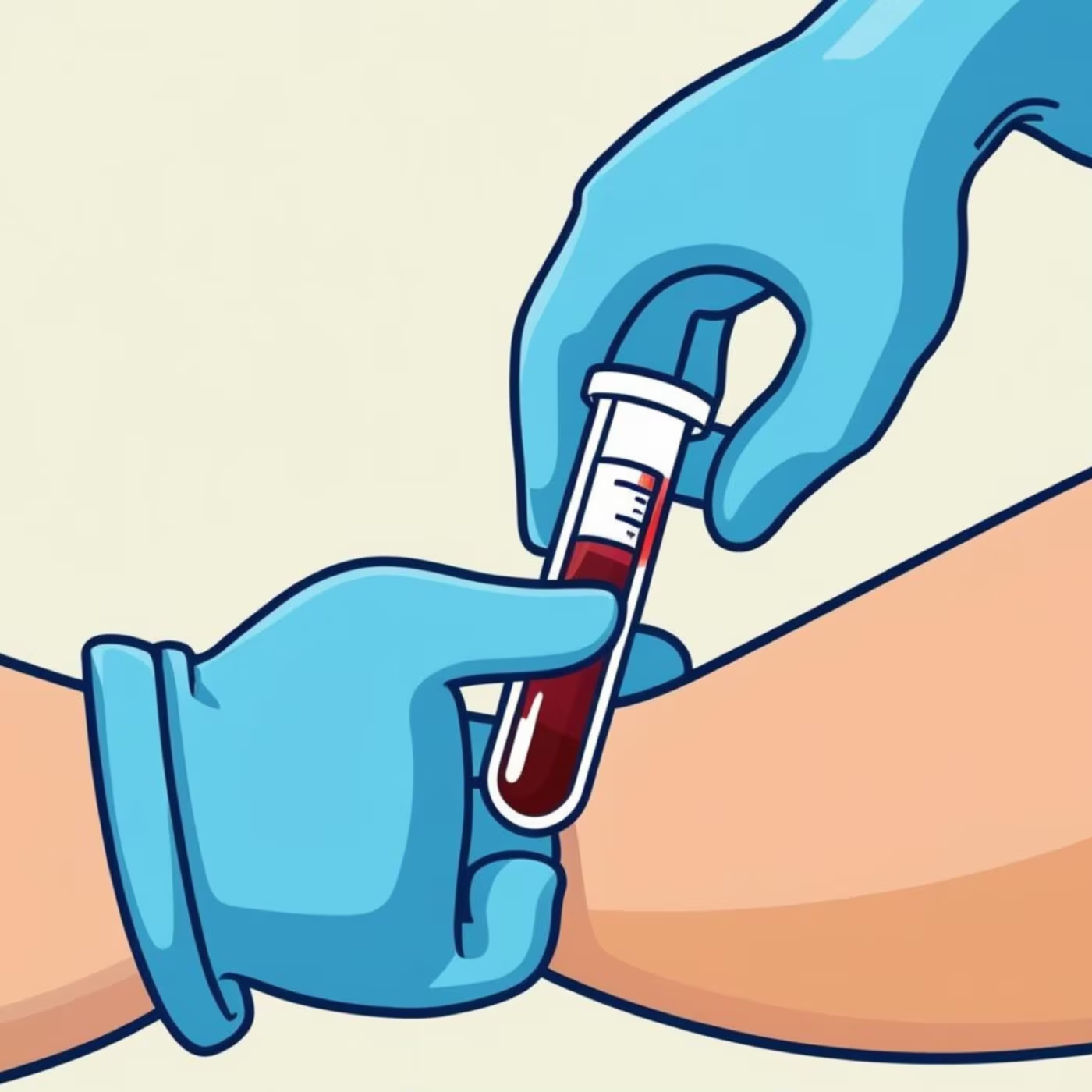
Get Updated Blood Work:
Ask your doctor about getting your blood work done. As discussed above, our physical and mental health are connected. Therefore, blood tests can allow you and your doctor to identify conditions that could impact your physical and psychological health. Blood tests can help detect areas in which supplementation of vitamins/minerals may be needed to support you with optimal well-being and functioning.
Islamic Perspective on Diet and Mental Health

Islam strongly emphasizes the connection between the mind, body, and soul. This means that whatever we put into our bodies directly affects how we feel mentally and our ability to nurture our souls through spiritual practices, such as praying. Therefore, as Muslims, it is crucial to be mindful of the type of food we are consuming, such as being cautious that our food, especially meat products, is sourced from halal vendors. This will help us continue to nurture our bodies, minds, and souls to feel good and focus on spiritually uplifting ourselves.
Additionally, an essential Islamic teaching that the Prophet Muḥammad (ṣ) emphasized was being wary of overeating. From an Islamic perspective, overeating leads to laziness, fatigue, and a reduced desire to perform spiritual practices.
Therefore, to avoid overeating, we can try being present while eating. This can allow us to pay attention to our body’s cues and support us in eating moderately to fuel our bodies. A tip to stay present while eating is to avoid using devices to help us stay focused on our food and watch out for our bodies’ satiation signals, which can help us enjoy our meals and avoid overeating.
The relationship between diet and mental health plays a crucial role in supporting our overall wellbeing. Together we can take small steps that can help us be more mindful about what we are putting into our bodies and how it may be impacting us.
Resource:
If you would like to learn more about nutrition and it’s connection to mental health, feel free to check out the book “The Mind-Gut Connection: How the Hidden Conversation Within Our Bodies Impacts Our Mood, Our Choices, and Our Overall Health” by Emeran Mayer, MD