
“The right of your father is that you know that he is your root. Without him, you would not be. Whenever you see anything in yourself which pleases you, know that your father is the root of its blessing upon you. So praise God and thank Him in that measure. And there is no strength save in God.”
(The Treatise On Rights, Imām Zaynul ʿĀbidīn (ʿa))
When talking about parenting, conversations almost always center around motherhood. Fathers, on the other hand, often take a backseat in discussions about child development, emotional well-being, and family dynamics.
What makes this even more concerning is how fatherhood is portrayed in modern media.On average, fathers are eight times more likely to be shown in a negative light in comparison to mothers on television. Since the 1990s, sitcoms, children’s programs, and adolescent TV shows have repeatedly portrayed dads as clueless, incompetent, or self-absorbed. This shift in media representation isn’t accidental—it reflects a broader trend of undermining the nuclear family. And since fatherhood is a pillar of that structure, its decline has significant consequences, especially for the mental and emotional well-being of children.

Becoming a Father
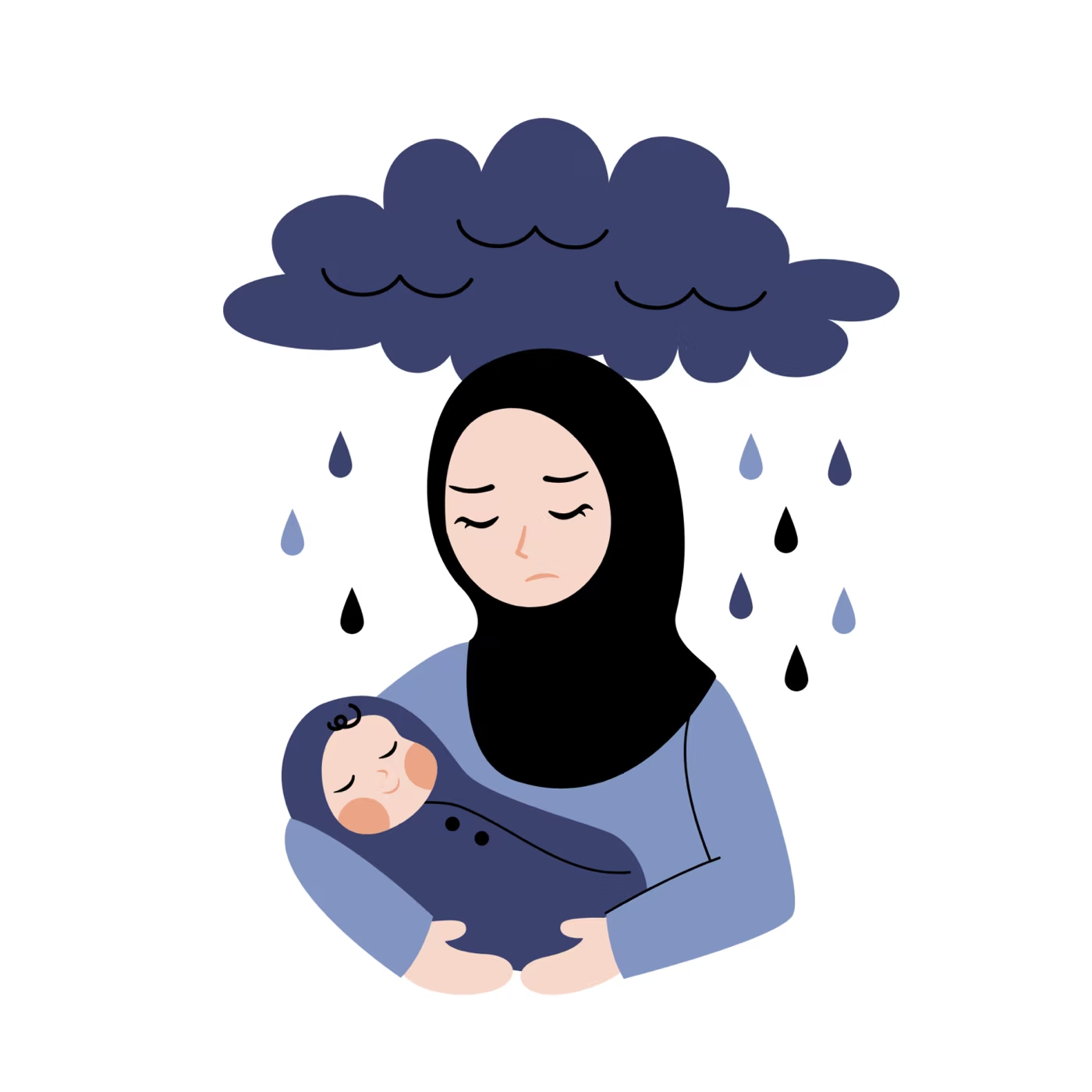
Very little focus is placed on how men experience the shift into fatherhood. Did you know that fathers can also experience postpartum depression? Around 10% of fathers suffer from it, but the number is likely higher because male mental health struggles often manifest in less recognizable ways—anger, withdrawal, or substance abuse rather than open emotional distress.
The pressure of new responsibilities, lack of emotional support, and societal expectations to “just deal with it” can push many men into a cycle of masking their struggles. The consequences? A distant or disengaged father, which in turn affects the children. In fact, a 2016 review in the American Journal of Lifestyle Medicine found that fathers’ depression is directly linked to negative behaviors in young children and increases the risk of depression or anxiety in their adolescence and early adulthood.
The Power of Attachment
A child’s relationship with their parents, including their father, plays a huge role in shaping their emotional development and future relationships—including marriage. Children who grow up with a complicated or strained relationship with their fathers can develop one of the following attachment styles:
- Fearful Avoidant: Struggles with closeness and intimacy, often withdrawing from relationships when things get difficult.
- Anxious Preoccupied: Feels insecure in relationships, fears abandonment, and tends to be clingy.
- Dismissive Avoidant: Avoids deep conversations and emotional dependence due to trust issues and fear of being hurt.
On the flip side, when fathers are present, engaged, and emotionally supportive, children develop a secure attachment, which allows them to have healthy relationships, better self-esteem, and emotional resilience.

Fatherhood and Mental Health
Daughters, in particular, benefit tremendously from having an active and positively involved father. Research shows that when fathers express warmth, encouragement, and emotional support, their daughters are less likely to struggle with mental health issues like anxiety and depression. A father’s involvement also helps children develop emotional regulation and coping mechanisms—skills that will serve them for a lifetime.
How Fathers Can Prioritize Their Mental Health
Being a father isn’t just about providing financially—it’s also about providing emotional security and a sense of stability. And that starts with taking care of yourself first. Here’s how:
- Acknowledge the challenges: Fatherhood is a journey, and it comes with real struggles. Talk about them—whether with your spouse, friends, or a supportive community.
- Seek help: Therapy isn’t just for crises. Finding a therapist who understands your struggles can help you process emotions, build resilience, and develop healthy coping skills.
- Prioritize self-care: Your health and well-being matter. Taking time for yourself—whether through exercise, hobbies, or relaxation—allows you to show up as a better father.
- Find healthy stress relief: Many men fall into the trap of unhealthy coping mechanisms. Instead, engage in activities that nourish you—physical exercise, creative projects, or spiritual acts.
- Reframe your purpose: Providing for your family isn’t just about money—it’s about emotional and spiritual support. Taking care of your mental health is an act of worship if your intention is to be the best version of yourself for the sake of your family and closeness to Allah.
The Prophet Muḥammad (ṣ) said:
“When a man sits beside his family, it is more beloved to Allah than when someone sits in spiritual retreat (i’tikāf) in my masjid.” (Mīzān Al-Ḥikmah, Ḥadīth #260)
Fatherhood is a deeply significant role that shapes not just the lives of children, but the fabric of society itself. When fathers are emotionally and mentally well, they raise stronger, more resilient children. Fatherhood needs to be supported, not undermined—in media, in communities, and within families.
So to all fathers out there: Your role matters. Your struggles are real. And your well-being is worth prioritizing. Because when you take care of yourself, you’re not just benefiting yourself—you’re strengthening your family for generations to come.